
Candle Blog and Knowledge
Topics
- How to Burn Jar Candles Safely and Effectively in the UK
How to Burn Our Jar Candle Safely and Effectively in the UK

Wick trimmers
2024 Winter is coming, Candles have long been a part of creating warmth and ambiance in homes. But to make the most of your candle, proper care is essential. Whether you are lighting a candle for the first time or relighting one, here’s how to burn our jar candles safely and ensure a clean, long-lasting experience.
Trim the Wick Before Each Burn
One of the most important steps in candle care is trimming the wick before each use. The wick should be about 1/4 inch (5~6 mm) in length. A long wick can lead to an uneven burn, soot production, large flame, and even a dangerous flame.
In the UK, where candles are often used to create a cozy atmosphere during longer autumn and winter nights, trimming the wick ensures the flame remains controlled and the candle lasts longer.
We typically use wick trimmers, which are specialized tools designed for cutting candle wicks.
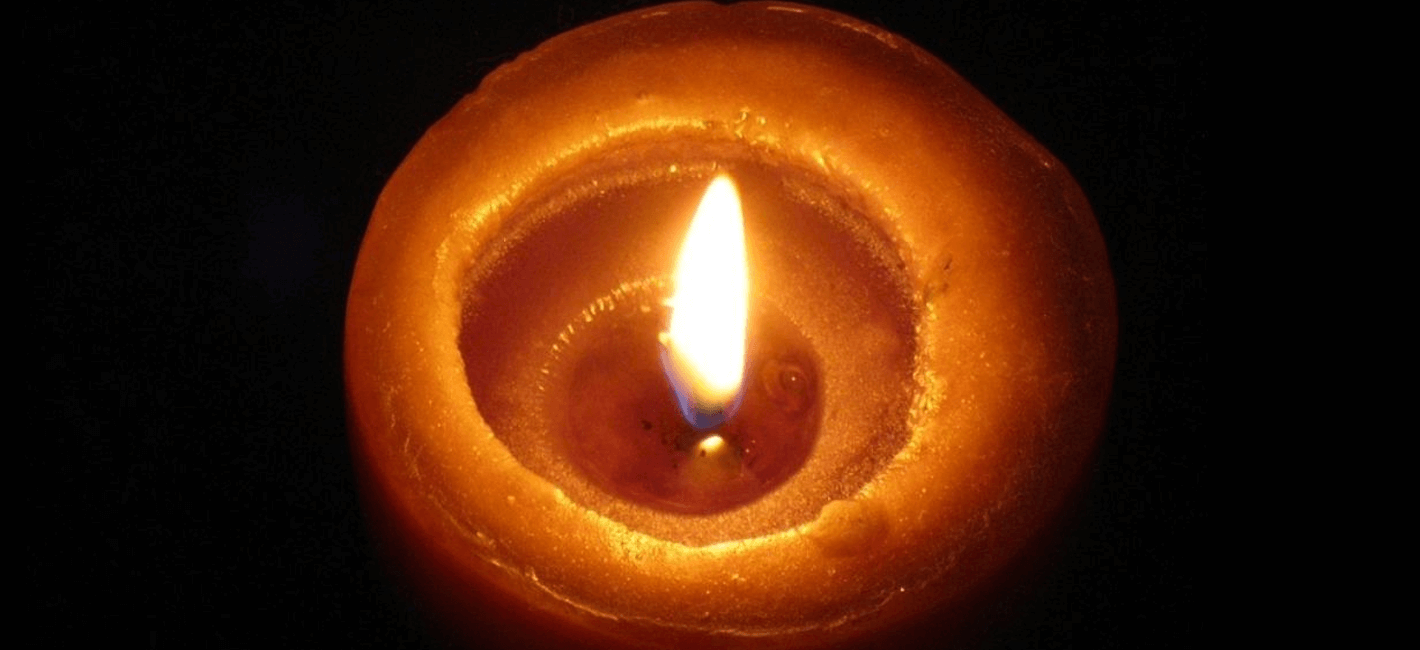
Tunnel effect for candle
Burn the Candle Long Enough to Create a Full Melt Pool
The first burn is crucial. Let your candle burn long enough for the entire surface to melt edge-to-edge. This can take anywhere from 2 to 4 hours depending on the size of the jar.
In cooler climates, such as in the UK, candles can tunnel (burn down the center while leaving wax along the sides) if not burned for a sufficient time during the first use. A full melt pool prevents this and guarantees a consistent, even burn throughout the candle’s life.
Alternatively, if you're short on time and can't leave their candle buring for 2-4 hours, try wrapping foil around the top of the candle jar to speed up the melt. Sometimes, you find that
Having trouble getting a full melt pool even after a long burn? 🕯️
This could be because the candle's wick is too small to melt the entire surface. There are many reasons makers use smaller wicks—one example is to keep the jar's temperature under 60°C after burning for an hour. If the flame isn't reaching the edges, you can wrap the top with foil to help achieve a full melt.
Avoid blowing out your candle!
Blowing out a candle isn't ideal because:
-
Excess Smoke: Blowing out the flame can create a cloud of black smoke, which leaves soot and can affect the scent in the room.
-
Mushrooming Wick: Blowing can disturb the wick, causing a mushroom-shaped tip to form. This results in uneven burning and can make it harder to relight the candle, affecting its performance.
-
Messy Wax: Blowing can also cause melted wax to splatter, making a mess around the candle jar.
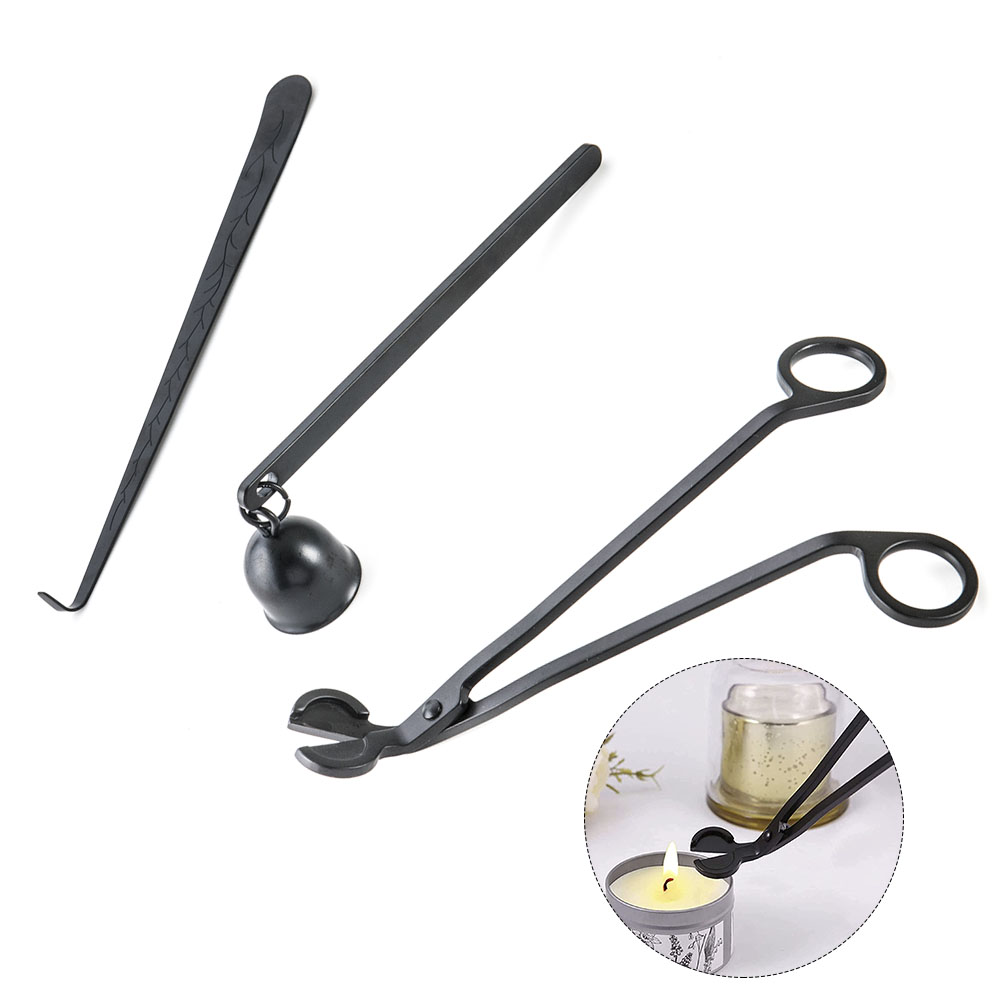
Wick dipper and snuffer
Blowing out a candle causes excess smoke because the sudden burst of air disrupts the flame, extinguishing it abruptly. This quick change in temperature causes the hot, unburned carbon particles in the flame to be released as black smoke, also known as soot. Since the candle doesn't have time to gradually cool down and burn off the remaining wax cleanly, this incomplete combustion creates a visible puff of smoke. Using a wick dipper or snuffer helps extinguish the flame more gently, minimizing smoke by allowing the candle to cool down more gradually.
Using a wick dipper or snuffer is a great way to minimize smoke, as it allows the candle to cool down gradually. We recommend using a wick dipper because it lets you gently push the wick into the wax pool, coating it in wax. This helps prime the wick with wax for a cleaner, more efficient burn the next time you light it.
You can also use a wick snuffer for wood wick candles. It safely extinguishes the flame without creating excess smoke, while preserving the integrity of the wood wick for a cleaner burn next time.
Keep Your Candle Away from Drafts
Ensure your candle is placed on a flat, stable surface and away from drafts, open windows, or air vents. Breezes can cause the flame to flicker unevenly, leading to uneven burning or smoking.
Why It’s Important
With the cooler UK weather, homes often have heating systems running or windows slightly ajar. It’s essential to avoid placing candles near these areas to ensure safe burning and to extend the candle’s lifespan.
